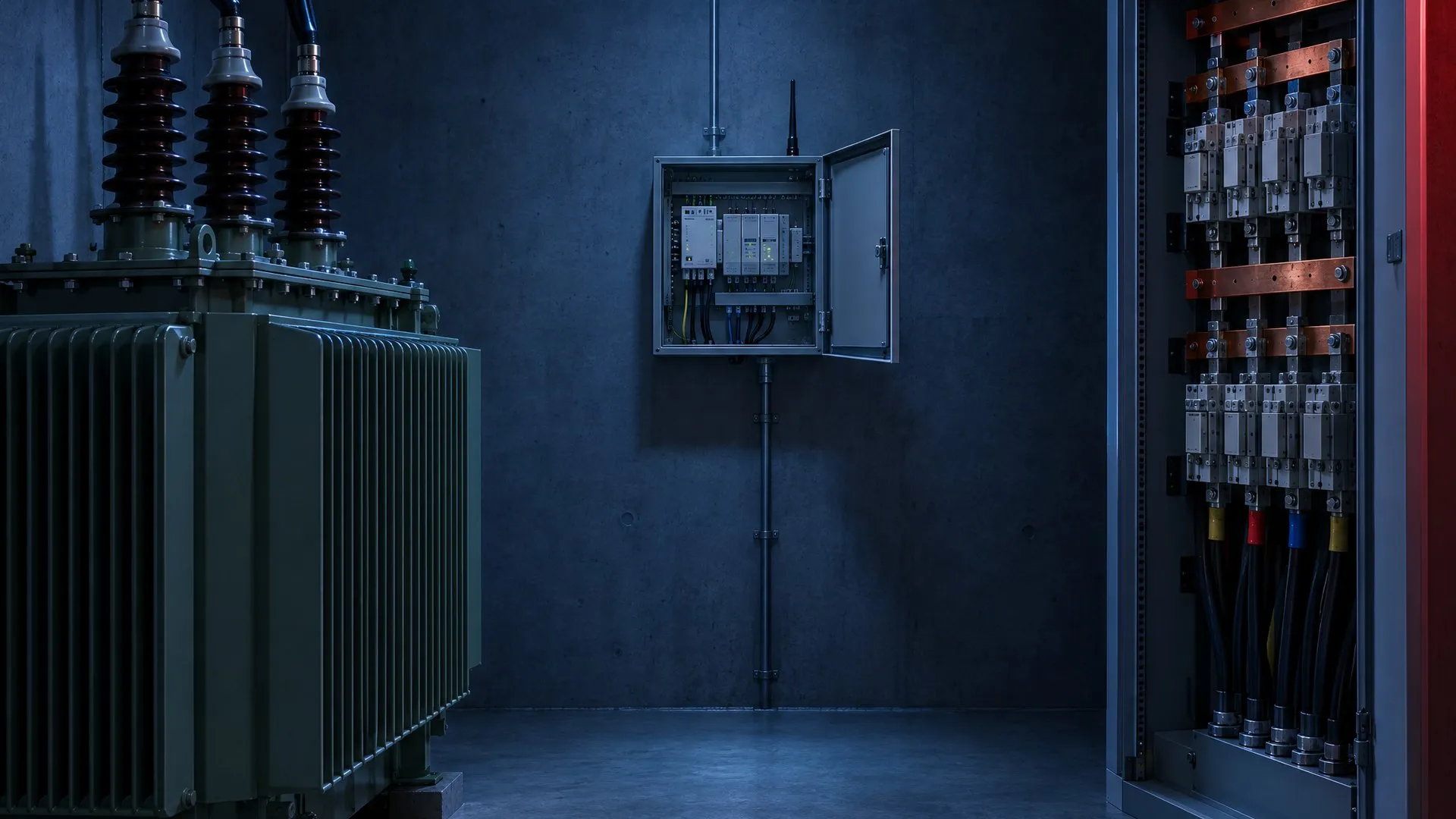
GridBit asset passportization
An asset register for the DSO: every secondary substation gets an asset passport with its identification, the technical parameters of its transformer and the generation connected behind it. It also works on its own: you enter your assets, use the register and add monitoring later.
- Identification
- Technical parameters
- Connected generation
Why now
Most grid assets sit at low voltage
65 %
of all grid assets are in the low-voltage network
Decentralised and renewable energy
Rooftop plants feed in when the sun shines, not when the load needs it. The intermittent flow unbalances the network.
Investment planning
Without data from the low-voltage side there is no basis for planning investments in grid expansion.
Experience gap
Digital data helps when experienced field staff retire.
The platform
An asset passport, part by part
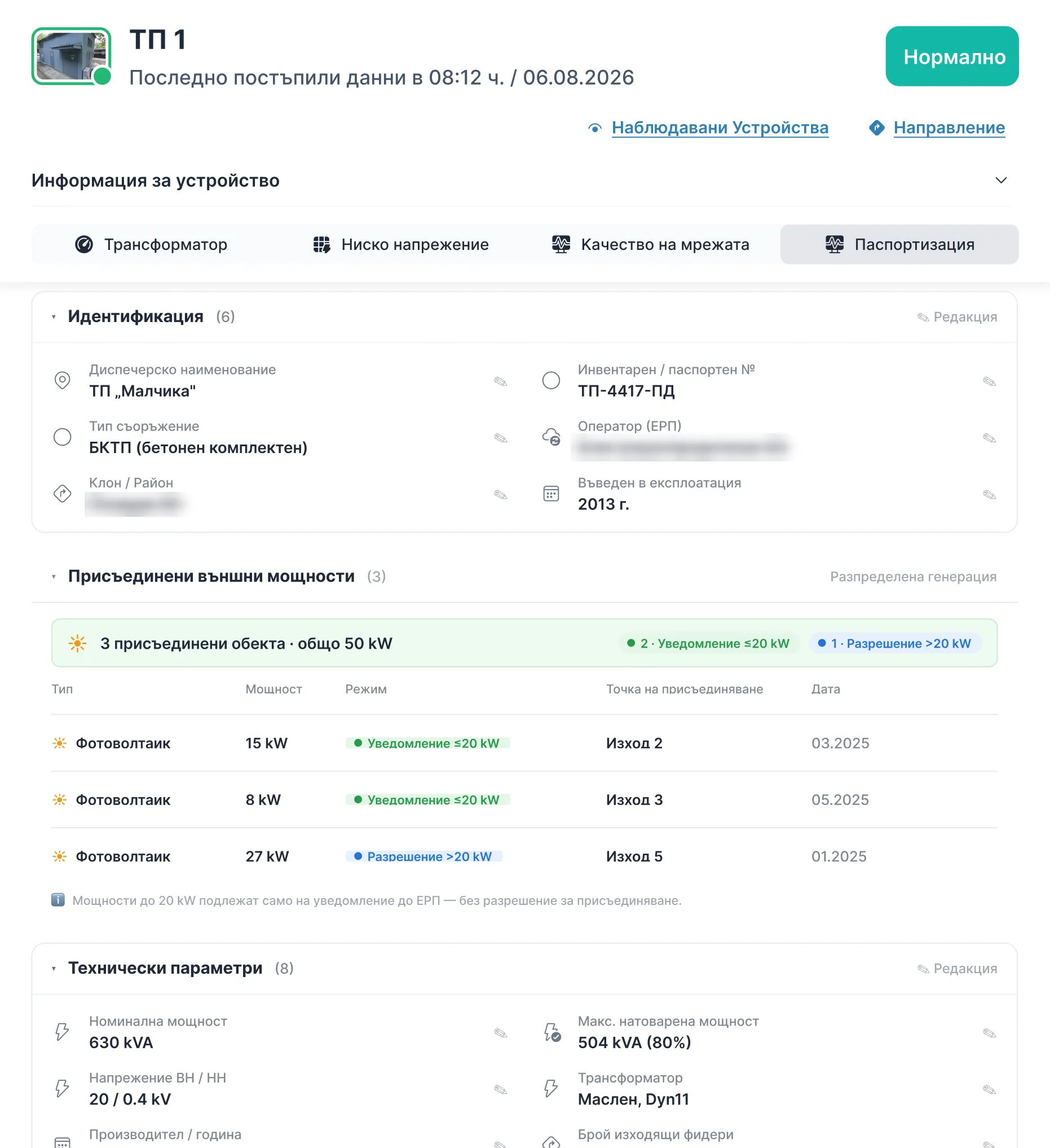
Identification
Dispatch name, inventory or passport number, type of asset, operator, branch or district, and the year the asset was put into service.
Connected generation
Each plant connected behind the substation with its type, power, connection point and date, and whether it came with a notification or a permit. A summary line counts the plants and adds up their power.
Technical parameters
Rated power, maximum loaded power, the voltage on the high and the low side, the transformer type, manufacturer and year, and the number of outgoing feeders.
Screens from the interface design, with sample data.
The platform
An asset passport, part by part
Identification
Dispatch name, inventory or passport number, type of asset, operator, branch or district, and the year the asset was put into service.
Connected generation
Each plant connected behind the substation with its type, power, connection point and date, and whether it came with a notification or a permit. A summary line counts the plants and adds up their power.
Technical parameters
Rated power, maximum loaded power, the voltage on the high and the low side, the transformer type, manufacturer and year, and the number of outgoing feeders.
Screens from the interface design, with sample data.
Map and reports
The register on a map and in reports
GIS
The whole infrastructure on a map, one click to a substation.
Analyses and reports
Large volumes of data turned into a basis for planning.
Start with the register, add monitoring later
Passportization works without monitoring hardware: a DSO takes the software, enters its assets and uses it only as an asset register. Monitoring of transformers and low-voltage boards can follow on the same platform, and with it the network status in real time, for system planning and investment decisions.
Electrical infrastructure digitalization
Also on the same platform

GridBit Street Lighting
GridBit street lighting management
Control and monitor street lighting cabinets from one system, with schedules that follow sunrise and sunset, measurements per phase and alarms for every cabinet.
Learn more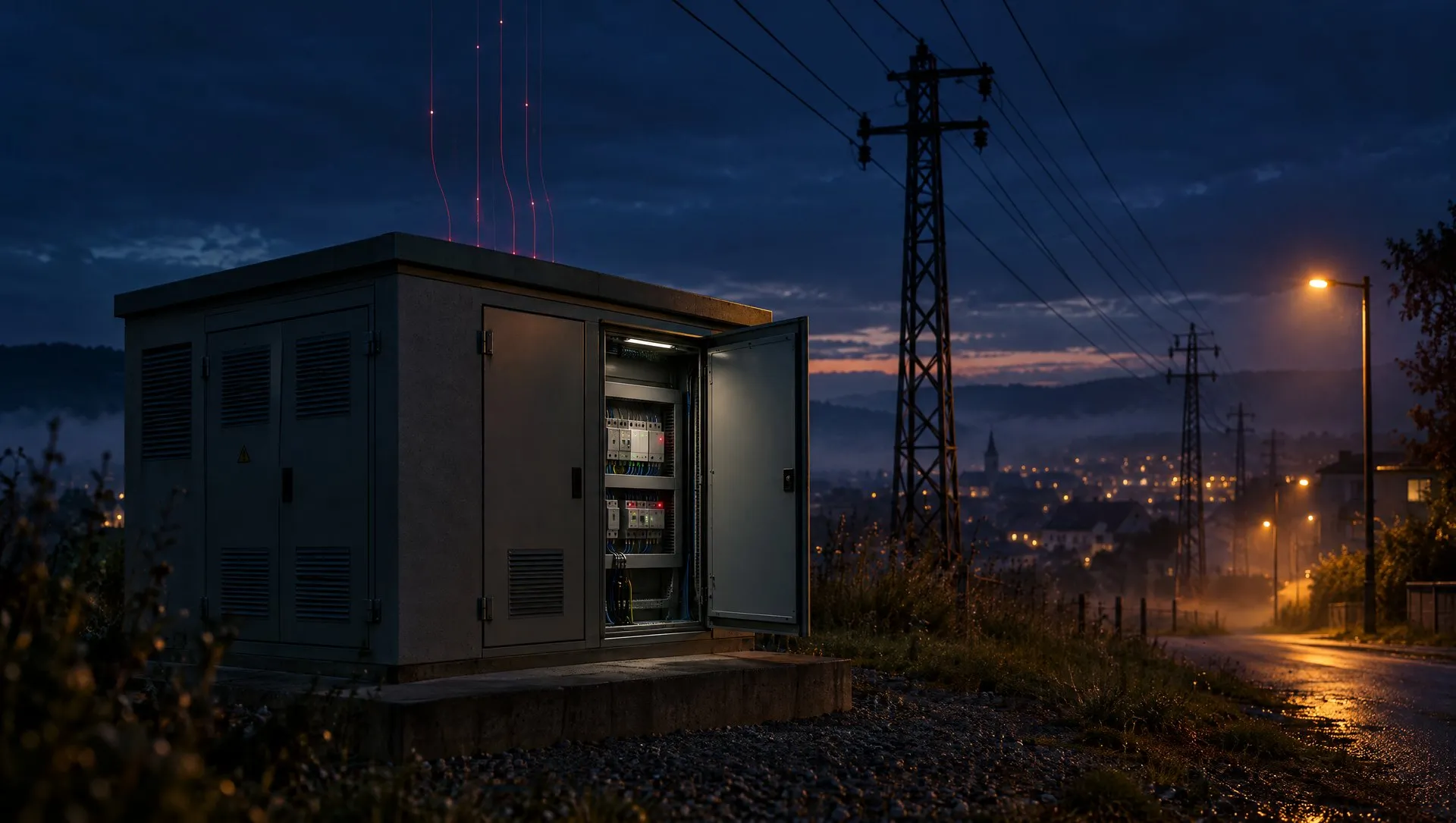
GridBit Transformer Monitoring
GridBit MV/LV transformer monitoring
Temperature, load and alarms of the MV/LV transformer in a secondary substation, in real time. Sensors and a gateway go into the existing substation without changing the primary equipment.
Learn more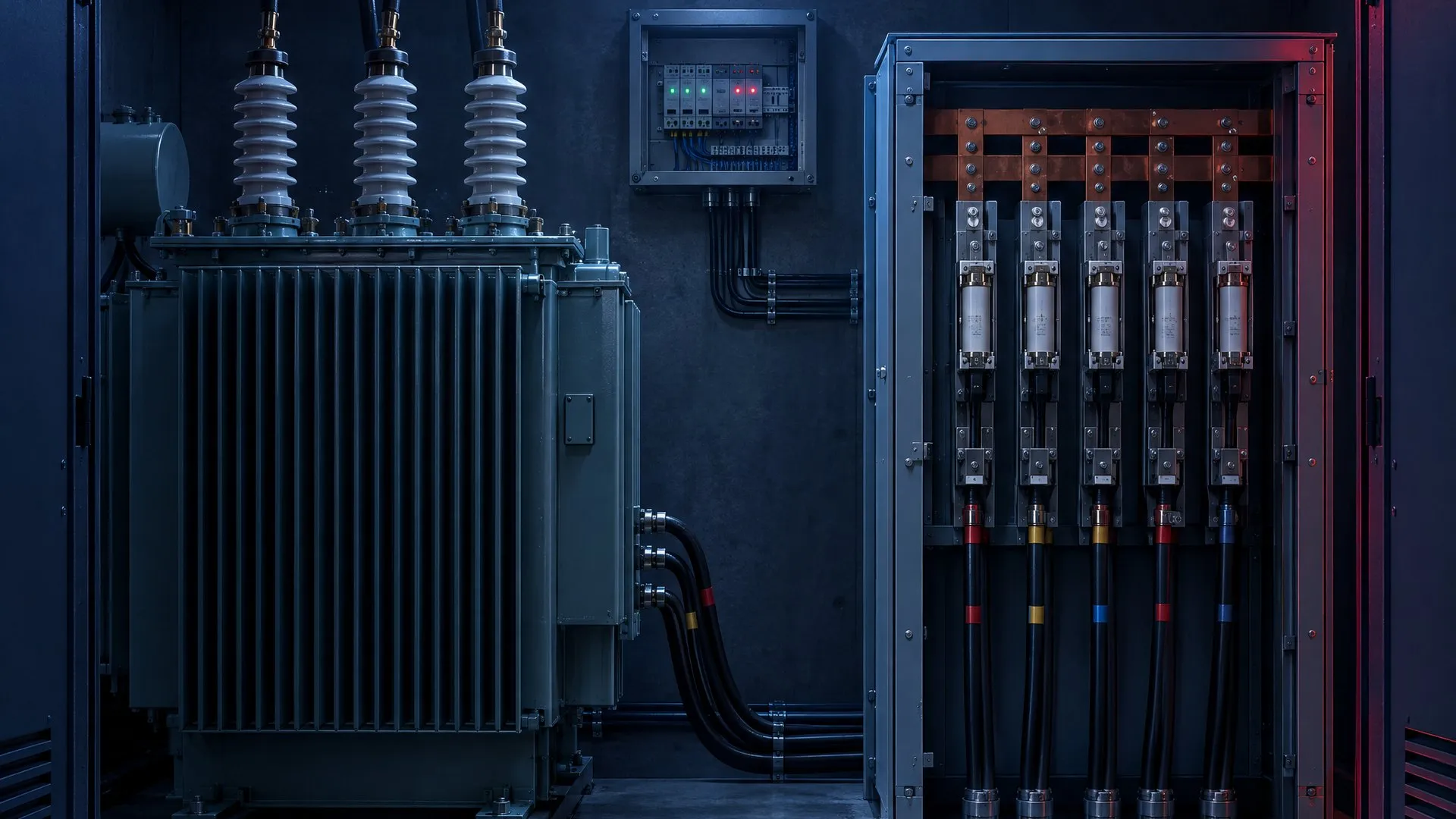
GridBit Switchgear Monitoring
GridBit LV switchgear monitoring
Current, voltage, power and power quality on every phase of the low-voltage board, and the state of each outgoing feeder, fuse and protection, from DIN-rail Modbus modules and one gateway.
Learn moreWhat is GridBit Asset Passportization?
It is an asset register for DSOs. Every secondary substation gets an asset passport with its identification, the technical parameters of its transformer and the generation connected behind it, and the whole infrastructure is on a map, one click to a substation.
Can we use it without monitoring hardware?
Yes. A DSO can take the software, enter its assets and use it only as an asset register. Monitoring of transformers and low-voltage boards can be added later on the same platform.
What does the passport record about connected generation?
Each plant connected behind the substation, with its type, power, connection point and date, and whether it was connected with a notification or a permit. A summary line counts the plants and adds up their power.
Ask about the asset register
Tell us how many assets you want to register and whether monitoring should follow. We reply with a proposal.